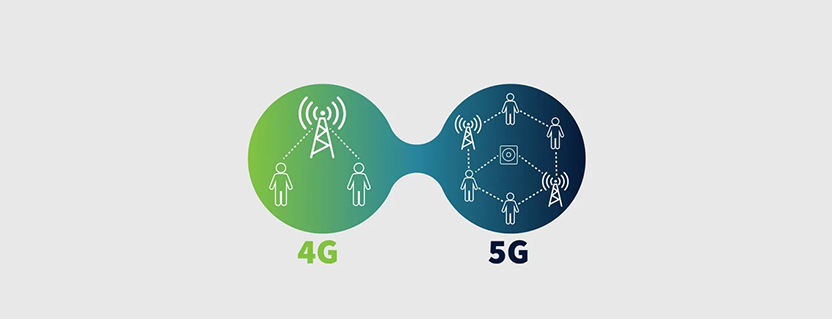
4G vs 5G Wireless Internet
Understanding the Differences, Strengths & Business Impact
Introduction
Wireless connectivity has evolved rapidly over the last two decades. From enabling basic mobile browsing to powering smart cities and AI-driven systems, cellular technology has transformed how businesses and consumers operate.
Today, the two dominant standards are 4G LTE and 5G.
This page explains:
- What 4G and 5G are
- The technical differences
- Strengths and weaknesses of each
- Which technology makes sense for consumers and businesses
What is 4G LTE?

4G (Fourth Generation), commonly known as LTE (Long Term Evolution), became widely available around 2010 and significantly improved mobile data speeds compared to 3G networks.
Key Features of 4G:
- Average Speeds: 10–50 Mbps
- Peak Speeds: Up to 100–300 Mbps
- Latency: 30–50 milliseconds
- Designed for mobile-first internet usage
4G Strengths
✔ Mature, stable infrastructure
✔ Nationwide coverage in most regions
✔ Affordable devices and plans
✔ Reliable for HD streaming and video conferencing
4G Limitations
✖ Higher latency than 5G
✖ Slower in high-density environments
✖ Limited support for large-scale IoT deployments
✖ Network congestion during peak hours
What is 5G?
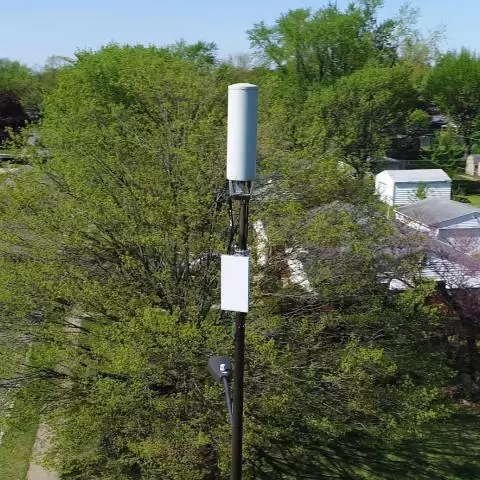

5G (Fifth Generation) is designed not just to improve smartphone speeds—but to transform entire industries. It supports ultra-fast data transfer, ultra-low latency, and massive device connectivity.
Key Features of 5G:
- Average Speeds: 100 Mbps – 1 Gbps
- Peak Speeds: Up to 10 Gbps
- Latency: 1–10 milliseconds
- Massive IoT device support
5G Spectrum Types
Low-Band 5G
- Wide coverage
- Moderate speed improvements
Mid-Band 5G
- Balanced speed and coverage
- Ideal for most urban deployments
- Better penetration within buildings
High-Band (mmWave) 5G
- Extremely fast
- Short range
- Requires density of towers
- Poor building penetration
5G Strengths
✔ Ultra-fast speeds
✔ Extremely low latency
✔ Supports a huge number of devices
✔ Enables smart cities, automation, and AI
✔ Greater overall network efficiency
5G Limitations
✖ Limited high-band coverage
✖ Requires new infrastructure (dense number of small cell towers)
✖ Higher deployment cost
✖ Higher battery usage and requirements
4G vs 5G: Side-by-Side Comparison
| Feature | 4G LTE | 5G |
|---|---|---|
| Launch Era | ~2010 | ~2019+ |
| Typical Speed | 10–100 Mbps | 100 Mbps – 1 Gbps |
| Peak Speed | ~300 Mbps | Up to 10 Gbps |
| Latency | 30–50 ms | 1–10 ms |
| Coverage | Extensive | Expanding |
| Device Density | Moderate | Extremely High |
| Infrastructure Cost | Lower | Higher |
Consumer Use Cases
4G is Ideal For:
- Streaming HD video
- Video conferencing
- Web browsing
- Email and mobile applications
- General smartphone usage
5G is Ideal For:
- 4K / 8K streaming
- Cloud gaming
- Augmented & Virtual Reality
- High-speed home internet replacement
- Smart home ecosystems
Business & Enterprise Considerations
For organizations evaluating connectivity strategy:
When 4G Makes Sense:
- Rural or remote locations
- Backup WAN connectivity
- Low bandwidth operations
- Budget-conscious deployments
When 5G Makes Strategic Sense:
- Smart manufacturing
- Real-time analytics
- AI and edge computing
- Healthcare / telemedicine
- Large IoT deployments
- Campus-wide and high-density carrier connectivity
- Carrier-managed or private-managed networks
The Strategic Takeaway
4G transformed mobile connectivity.
5G is transforming digital infrastructure.For everyday use, 4G remains highly reliable and cost-effective.
For innovation-driven organizations, 5G opens new operational possibilities.
 SEDCOR